
A journey's end

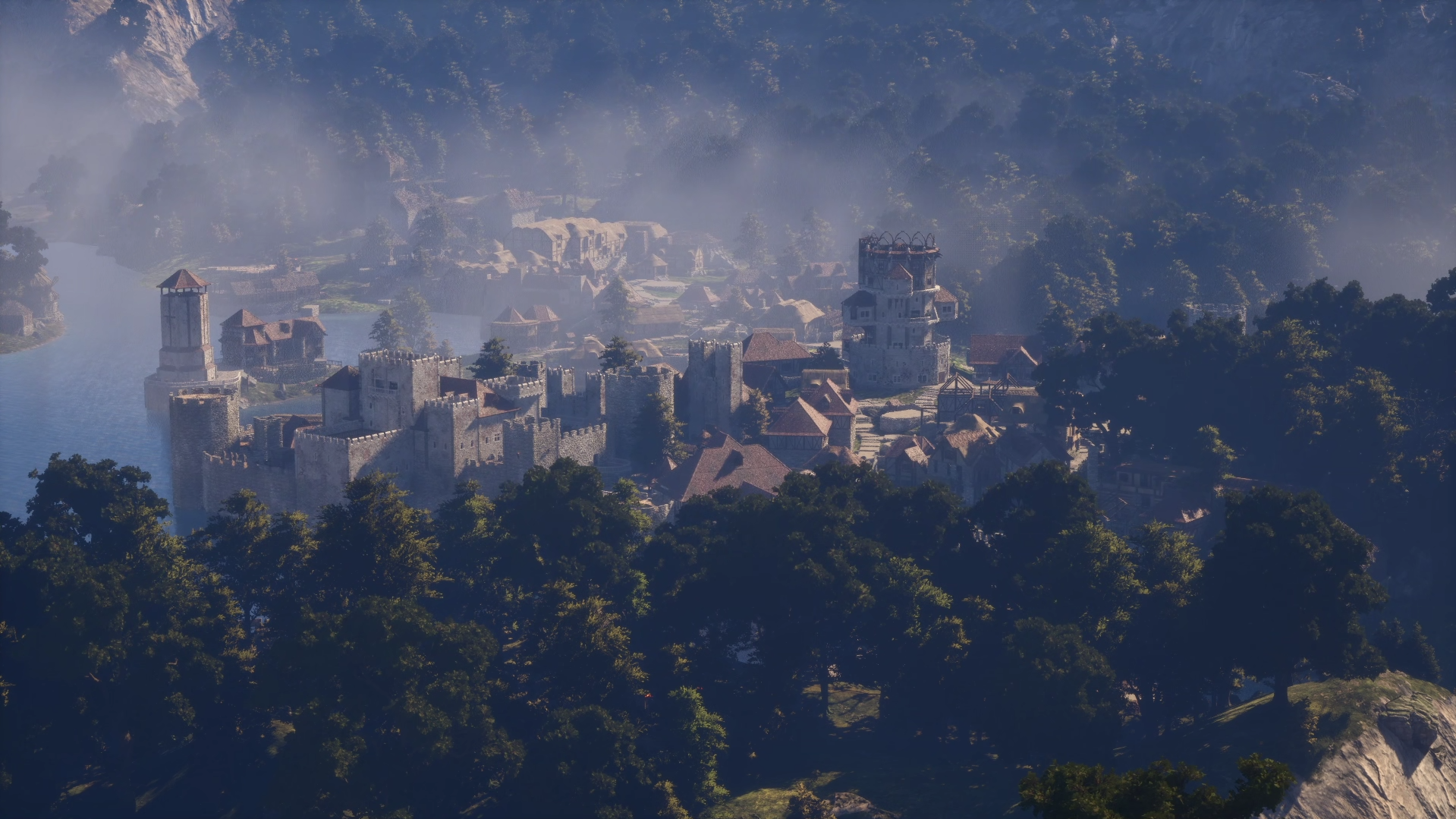
As I walked through the lush green valleys, it suddenly dawned on me how drastically different my life would be. Only a few months ago, I was well respected and highly trusted; now I am an outcast on the run, spending months on foot to erase all my tracks. I was forced to stay away from villages, towns and cities and away from well-trodden roads, lest I be discovered or reported by those chasing me.
For a time, I believed I could live among others again. I tested the water carefully, spoke less than was expected, and listened more than was required. But words, like structures, fail when they are rushed or misunderstood. Small disagreements hardened quickly, and intentions were judged more loudly than actions. I recognised the signs early enough.
It was not the first time I had left a place behind, because remaining would have required me to follow directions that could not be justified upon examination. So, I moved on.
The days that followed were a blur. I travelled the lands offering labour where it was welcome and withdrew where it was not. I helped raise shelters, marked ground, and learnt which lands were already claimed by memory rather than record. I slept lightly, ate sparingly, and avoided roads that carried more footfall than I was comfortable with. Then, the sky broke.
There is no careful way to describe it. Fire came where water should have been. Water rose where the ground had always held firm. What had taken weeks to prepare was undone in moments. I survived because I was moving when others had chosen to settle.
When the land finally stilled, there was nothing left to return to. So I did what most wouldn't, I resumed my travels. I decided to look north, hoping against all hope that I would find my home there.
The roads bore the signs of devastation, but I knew I had to keep walking forward. I wasn't walking alone, though I remained alone by habit. I listened as we travelled, fragments of stories carried between steps. A kingdom drowned in flame and flood. People who carried their dead in memory rather than soil. They spoke of a leader who did not walk ahead of them, but among them, sharing their pace. I heard of their Lord Elryck O'Mara. My first meeting with him was nothing worth recording. He spoke of a vision, of a city guarded by strong walls, of people enjoying the fruits of their labour, of a kingdom of peace and prosperity. He did not ask who I had been. I did not offer.
When the lake finally came into view, we knew our journey had reached its end, a quiet settled over us. Not awe alone, but something steadier. Still water and a firm ground with enough space to begin again. And I realised that I had found my new home.
I took the oath to pledge my fealty soon after. I did not hesitate long. I have learned that hesitation is only virtuous when the terms are unclear. These were not. Work followed soon after, as it always does.
I found myself measuring ground again, not because I had been asked, but because no one objected when I did. Stone was tested. Alignments were marked. Nothing was raised that could not be undone.
Tonight, I write by low light, my hands aching in a way that feels familiar rather than burdensome. I do not know what this place will become. I do not know what will be demanded of us before it is allowed to endure. But for the first time in a long while, I am not thinking about what I must leave behind. I am thinking about what might remain.